Sodalite breakage primarily signals physical vulnerability due to its mineral properties, with fractures occurring through impact damage along natural weak points like veins or cleavage planes. Break patterns can indicate material authenticity or treatment history, requiring specific handling approaches to preserve functionality while objectively assessing value implications.

Many collectors and jewelry wearers first encounter sodalite breakage through unexpected moments—perhaps when a decorative bookend shifts during cleaning, a necklace fastener sustains pressure, or a specimen displays fractures after thermal exposure. These scenarios raise immediate questions about material stability and origin, particularly given sodalite's visual similarity to lapis lazuli and market variations in treatment processes. Individuals examining broken pieces often seek to understand whether the damage reveals inherent structural weaknesses, indicates substandard craftsmanship, or reflects natural mineral characteristics. Practical concerns like valuation changes and conservation methods intersect here, demanding clear explanations grounded in observable mineral properties rather than speculative beliefs.
When evaluating why sodalite breaks, its fundamental mineral characteristics provide the most meaningful insight. Moderate hardness ratings between 5.5–6 on the Mohs scale indicate vulnerability to common forces that harder stones could withstand. In many everyday situations like jewelry handling or display relocation, unnoticed pressures against edges or cleavage planes initiate fractures. These structural tendencies become especially apparent when examining tension distribution in rough chunks versus polished specimens.
The mineral's natural veins frequently serve as fracture initiation zones. Cracks following these calcite inclusion lines typically appear straighter than the characteristic conchoidal patterns indicating brittle material response. Temperature sensitivity creates additional risks; thermal shock from rapid environmental changes causes internal stresses manifesting later as fractures. Note that these physical responses remain consistent across genuine sodalite regardless of color saturation or origin, serving as reliable baseline knowledge rather than quality indicators.
Distinctive visual evidence appears at fracture surfaces, offering practical diagnostic clues about break origin and material authenticity. Conchoidal patterns feature concentric ridges resembling broken glass, confirming natural brittle fracturing rather than cut or sawn edges. When examining recent breaks under magnification, several observable signals provide further context about the events leading to damage.
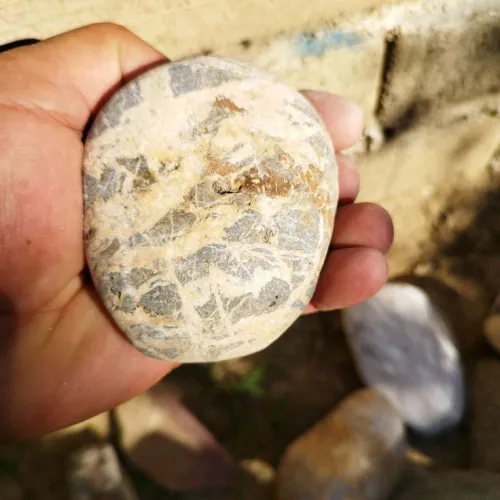
Specific fracture patterns help differentiate treated materials from ethically sourced specimens. Abruptly discontinued blue veins at break surfaces often suggest composite materials or reassembly attempts. Consistent color saturation throughout both surface and newly exposed fracture planes typically indicates natural mineral formation rather than surface dye treatments. Note the presence of calcite traces along fracture lines—an observable characteristic of genuine deposits.
Fracture orientation frequently reveals prior structural compromises. Concentric arcs surrounding impact points show damage progression from weakened internal zones—sometimes indicating cumulative stress rather than one-time events. Powdery residue along breaks may suggest compromised stabilization treatments, while distinct temperature changes upon touch can indicate recent damage events rather than historical wear.
When breakage occurs, appropriate protocols help preserve usable material while avoiding future mishaps. Safety takes priority: carefully isolate fragments to prevent handling injuries from sharp edges before proceeding with assessment. Initial inspection begins under adequate lighting to map fracture planes and potential weaknesses. Several established methods help determine next steps while reducing additional breakage risks in intact pieces.
Stable storage requirements change immediately after breakage. Store pieces with anti-tarnish strips to prevent sulfur exposure weakening mineral bonds. Rotate display items quarterly to redistribute environmental stress on vulnerable points. Jewelry wearers may consider switching to bezel settings surrounding vulnerable edges versus traditional prong designs.
Repair approaches must match material science requirements, not cosmetic goals. Superglue often fails under thermal cycling and creates irreversible interface reactions. Instead, specialized conservation adhesives requiring precise application techniques create minimally visible repair lines without destroying texture evidence important for future assessment. Water immersion tests become valuable at this stage for checking structural stability before attempting repairs.
Broken sodalite demands objective reassessment through an authenticity and valuation framework. While fractures generally reduce collector market value significantly, particularly for specimens previously intended as investment pieces, they simultaneously provide the most reliable window for confirming natural origin. The fracture exposure itself becomes vital evidence in valuation.
Examine breaks under 10x magnification for conchoidal patterns confirming natural fracture behavior versus manufactured appearance. Consistent interior coloring throughout freshly exposed surfaces signals natural formation. Calcite vein characteristics visible across broken sections provide verification beyond exterior inspection results.
Valuation assessments consider break placement within the piece, surface retention ratio, and potential for stable repair using conservation methods. Functional pieces like bookends might retain utility value through professional restoration, while jewelry settings may require partial replacement. Professional appraisal should include documentation of fracture characteristics as part of the authentication record.
Historical cultural practices surrounding crystal breakage reflect symbolic interpretations across communities. Some traditions associate breakage concepts with completed protective actions rather than material failure narratives, while others attribute significance to timing or emotional context surrounding damage incidents. Academic anthropology papers document these variations through collected oral traditions rather than empirical measurement.
Contemporary approaches typically view such narratives as cultural artifacts worth documenting rather than diagnostic frameworks for physical events. The observable difference remains significant: physical fractures follow consistent mineral behaviors, while interpretation layers reflect diverse community practices and traditions without objective verification pathways.
We suggest using these factors to evaluate sodalite integrity and potential vulnerabilities:
Prioritizing these approaches allows individuals to make evidence-based decisions aligned with functional conservation parameters for valuable mineral pieces without assuming unnecessary financial burdens or preservation risks.
Why did my sodalite crack without being dropped?
Internal structural weaknesses like mineral veins combined with gradual environmental stress may create fractures over time. Sudden temperature fluctuations causing thermal shock represent a particularly common catalyst for damage events without direct impacts.
Does broken sodalite lose its healing applications?
Chemical composition remains unchanged regardless of physical form. Cultural perspectives regarding functional applications after breakage vary significantly and lack scientific verification pathways.
How much value drop occurs when sodalite figures break?
Resale valuation typically decreases considerably depending on break severity, original quality, fracture placement, and restoration potential. Collector specimens may require specialized appraisals after damage occurs.
Is superglue safe for fixing sodalite bookends?
Cyanoacrylate adhesives may degrade over time or react with surface minerals creating discoloration. Professionally recommended epoxy formulations designed specifically for mineral repairs generally yield better preservation results.
Sodalite versus lapis lazuli: which breaks more readily?
Both occupy similar Mohs hardness ranges. Lapis lazuli typically demonstrates slightly greater impact resistance due to microcrystalline structure rather than formation variations affecting most collector specimens.


$
