Sodalite is typically discovered in silica-poor igneous rock formations like nepheline syenites, primarily in regions such as Canada, Brazil, and the United States, with identification relying on distinct blue coloration with white veining, characteristic fluorescence under UV light, and specific geological context.
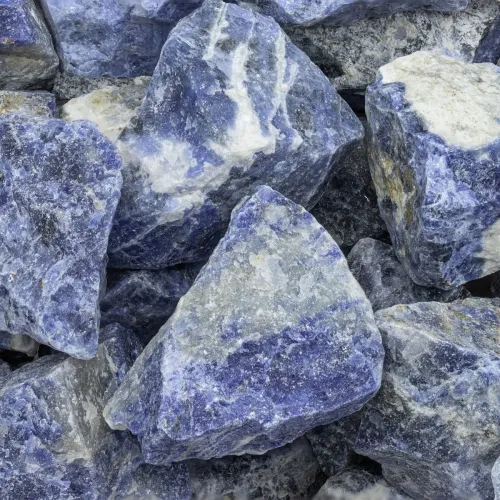
Imagine planning a geological field expedition or examining a vibrant blue stone at a gem show – the question of how to locate genuine sodalite becomes immediately relevant. Many mineral collectors, geology enthusiasts, and lapidary artists seek practical methods to identify natural sources of this mineral, especially given common confusion with similar blue stones like lapis lazuli. Understanding its geological origins and visual signatures not only prevents wasted effort but also safeguards against misidentified specimens. This comprehensive guide addresses the geological science, authentic identification markers, and field strategies essential for successful discovery.
Several geological indicators suggest potential sodalite presence. In many exploration scenarios, knowing why this mineral forms in specific locations greatly narrows search parameters. Field specialists might encounter confusion between sodalite-rich zones and common nepheline deposits if visual distinctions aren’t clear.
Sodalite’s occurrence depends on mineral associations like nepheline, feldspar, or pyroxene – key markers when surveying environments. Its formation requires rare combinations of low-silica magma chemistry and hydrothermal activity, explaining concentrated deposits in particular regions. In mining districts known for nepheline syenite complexes, careful examination of fault lines or erosion zones tends to reveal exposures. Where weathering has shifted surface materials, specimens may be recovered from sedimentary deposits downstream in certain conditions.
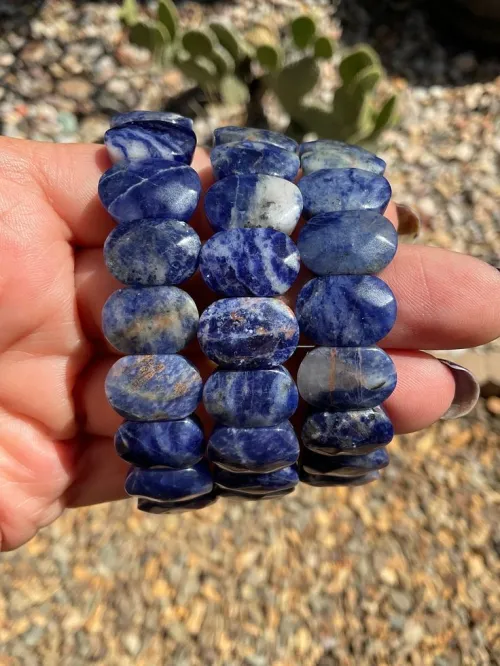
Several observable traits help distinguish natural sodalite:
When discovering potential specimens:
These verification techniques align with mineralogical studies noting that fluorescence absence may suggest substitutions like dyed howlite, while excessive veining can indicate mineral impurities.
Major deposits exhibit distinct characteristics across different locations:
Seasonal considerations also impact discovery rates. Post-rain periods along geological fractures tend to expose fresh substrates, while riverbank explorations during low-water periods may recover water-tumbled specimens exhibiting polished surfaces.
Successful exploration requires specific tools:
When encountering potential material:
When assessing potential sodalite finds, focusing on fluorescence response and geological context often provides the most reliable verification. We encourage investigators to establish these parameters before extensive field investment. Keeping the core formation principles and diagnostic physical properties in mind during evaluations reduces misidentification risks. Documenting environmental factors may further assist comparative analysis with geologically verified specimens.
Q: How does sodalite differ from lapis lazuli?
A: While both show blue coloration, lapis lazuli contains pyrite flecks instead of calcite veins and rarely fluoresces. Sodalite also appears in different geological formations than lapis-bearing limestone.
Q: Can I find sodalite along riverbeds?
A: In source regions like Canada, river erosion may transport specimens downstream. Their appearance there still depends on proximity to alkaline igneous source rocks rather than sedimentary processes.
Q: What distinguishes sodalite from azurite?
A: Azurite forms in oxidation zones of copper deposits with softer composition (3.5-4 hardness), typically appearing as crystalline masses rather than sodalite’s uniform blue aggregates.
Q: Does sodalite possess commercial value?
A: Higher-quality specimens are considered decorative gem materials, with valuation influenced by color saturation, carving quality, and fluorescence intensity.


$
